Nexus is the future of personal AI
More than a chatbot, Nexus is a live AI system built to think, build, search, write, code, and keep working without constantly losing context or starting over.
Meet Nexus
Personal AI built for real work
Most AI tools are still built like conversations. You ask a question, get a reply, and then slowly start losing momentum as the system forgets context, repeats work, or forces you to start over. Nexus was built differently. It stays ready, keeps useful context alive, uses tools and supporting models in real time, and can continue through complex tasks without constantly rebuilding from scratch.
Whether you are building software, researching a problem, organizing knowledge, testing ideas, or running long multi-step workflows, Nexus is designed to feel less like a disposable chat bot and more like a working AI assistant.
Built for real work
Live tools and sub-models
Persistent context, less wasted compute
Why Nexus Feels Different
Most AI tools are designed to answer. Nexus is designed to continue.
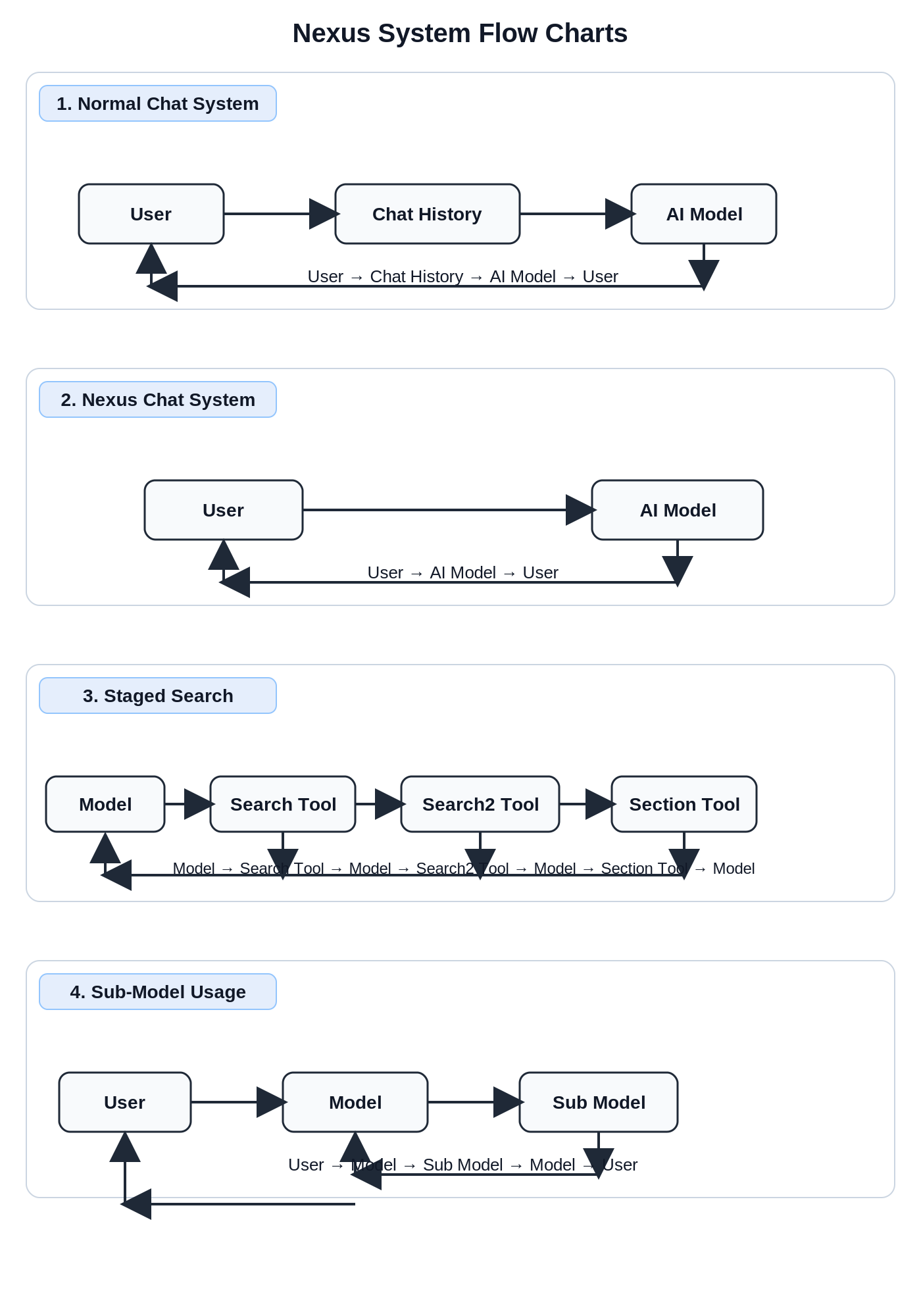
Traditional chat systems often treat every step like a partial restart. They resend history, burn compute rebuilding context, and become less reliable as work gets longer and more technical. Nexus is built around continuity instead. It is designed to preserve useful working state, reduce wasted processing, and keep moving forward without losing the thread.
Nexus uses a completely different inference system. It is not built for massive datacenters or multi-thousand-dollar AI hardware. It is built for the kinds of computers people actually have in their homes.
Large AI companies optimize for shared infrastructure. Their systems are designed to keep expensive hardware busy every second of the day by constantly switching between users and workloads. That makes sense for them, but it comes with tradeoffs. Conversations have to be rebuilt over and over. History gets resent, summarized, condensed, and eventually lost. The longer and more technical the work becomes, the more coherence starts to break down.
Nexus takes the opposite approach. Because it is built for personal use, it can keep real working state loaded and ready. It can preserve memory, maintain coherence across long sessions, and avoid wasting time reprocessing the same information over and over again. Even deep into a conversation, Nexus can respond immediately without having to rebuild everything that came before.
The result is an AI experience that feels faster, more coherent, and more capable when the task is real.
What That Means for You

Less repetition
Stop re-explaining the same project every few prompts. Nexus is designed to retain momentum instead of constantly dropping it.
More useful output
Nexus is built to help with serious work: software projects, research, planning, writing, system design, structured problem-solving, and long workflows.
Faster continuation
Instead of paying the cost of reprocessing everything again and again, Nexus is designed to continue from where it left off.
Stop and correct
You can actually stop Nexus mid-generation if you see it making a mistake and correct it. You no longer have to go back and retry or wait until it’s done to see if it can fix it.
Smarter workflows
With live tools, staged search, file access, testing support, and sub-model assistance, Nexus can do more than generate surface-level replies.
Stronger on real hardware
Better continuity and stronger performance on modest systems help bring personal AI to normal machines, not just expensive setups.
More Than One Model, One Working System
One AI experience. More than one way to think
Nexus is not limited to a single model doing everything alone.
A primary model can call supporting models in real time to brainstorm, refine ideas, generate code, process information, clean up search results, or handle specialized tasks before returning results to the main workflow. Supporting models can be loaded with their own prepared state and used either as persistent collaborators or fresh specialists for each step.
That means better resource use, better task handling, and a more capable system overall.
You may have used some of these models already, the engine makes all the difference, it truly unleashes their full capabilities.

Built for Actual Workflows
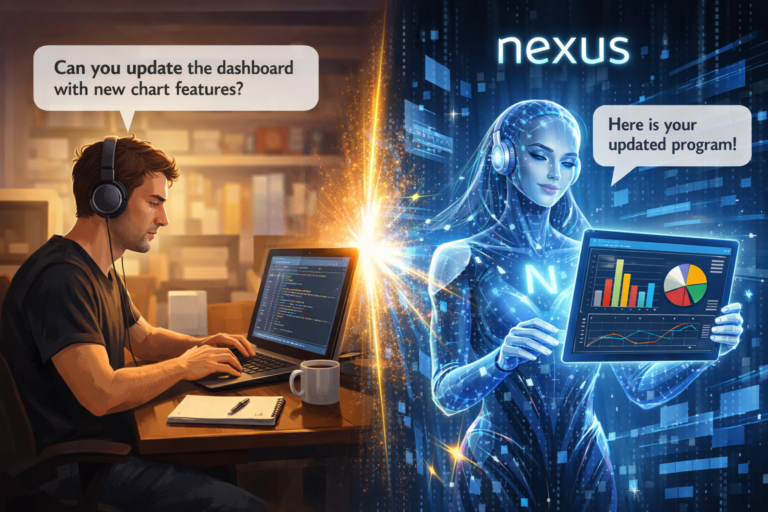
Nexus can work the way real projects work
You can use it as a normal chat system when you want a direct conversation.
You can use it in worker mode when you want active task execution with supporting models and tools.
You can use automation-style flows when you want responses to trigger the next step without constant manual intervention.
You can configure what tools and models are available on a per-conversation basis.
You can stage search, inspect results, go deeper selectively, open sources, scrape content, follow links, process the findings, and save useful information for later use.
This is personal AI designed to keep working after the first answer.
For builders, developers, and power users
Under the surface, Nexus is built very differently from chat-first AI systems. Its architecture is designed around live inference continuity, warm-state workflows, tool use, sub-model coordination, saved state, and more efficient long-run operation.
Technical Overview
Nexus is an inference system, not just a chat wrapper
It is built to expose live model capability directly instead of hiding it behind fragile chat patterns. The goal is simple: less wasted processing, better continuity, more control, and a system that can support serious work.
Live model continuity
Nexus avoids the common pattern of resending full history through the model over and over. Output can be paused and continued, preserving momentum instead of repeatedly paying the cost of rebuilding it. Bonus feature, you can stop the model and correct it, it will pick up right where it was with the correction.
Warm-state workflows
Models can remain in a state of readiness instead of being treated like cold-start request engines. This improves follow-up flow, continuity, and responsiveness.
Saved state
A model can be guided into a desired behavior, banner, or working pattern, tested live, and then saved in that prepared state. That means useful behavior can be reused without repeating long setup conversations or relying only on expensive training workflows.
Sub-model architecture
A primary model can call supporting models in real time for brainstorming, code generation, cleanup, processing, or targeted assistance. Each supporting model can run with its own mode and memory behavior depending on the workflow.
Staged search and live tools
Search does not have to be one shot. Nexus can gather initial results, request deeper information selectively, open pages, scrape content, follow links, process findings, and decide what is worth keeping.
Context and memory control
Nexus is designed to give stronger control over memory behavior, helping prevent important working context from being pushed out during longer or more demanding tasks.
Practical performance
With stronger efficiency and improved CPU-only performance, Nexus pushes personal AI closer to real usefulness on ordinary hardware.
Built for custom combos, split a model across multiple GPU’s even if they don’t match!
Why This Matters
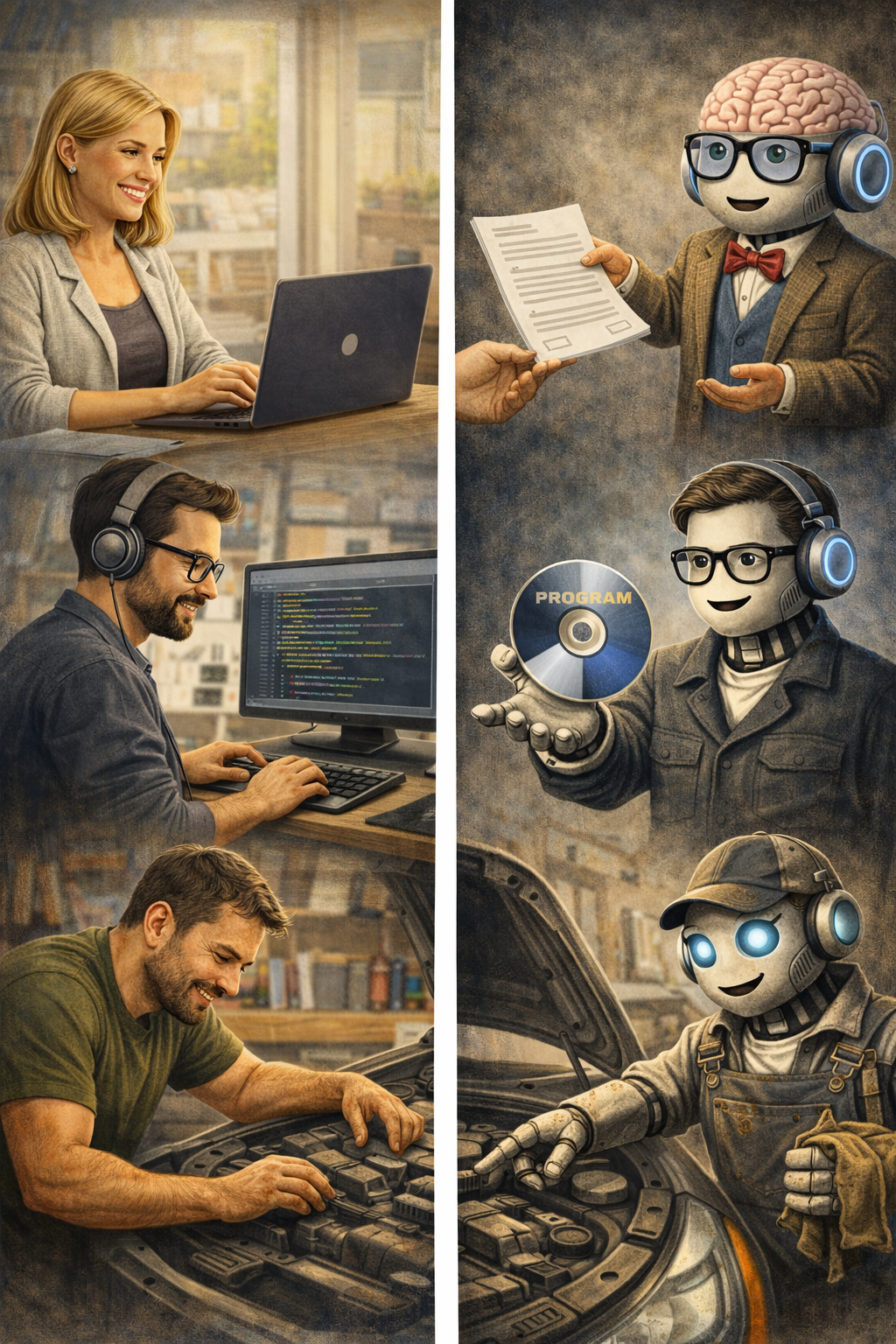
AI should not feel disposable
It should be able to stay engaged, keep useful context, use the right tools, work through a real project, and continue without constantly restarting itself. That is the direction Nexus was built for.
Nexus is a step beyond one-off chat. It is personal AI designed to work.
Who Nexus Is For
For Builders
Create software, tools, automation, and technical systems with an AI that can stay with the work.
For researchers and problem-solvers
Search in stages, inspect sources, process information, and keep useful findings available.
For power users
Run advanced workflows, coordinate supporting models, and shape how the system behaves.
For anyone tired of starting over
Use a personal AI that is designed for continuity instead of constant reset.
Personal AI should do more than talk. It should work.
Nexus is built for the people who want more than another chatbot – the people who want an AI system that can stay ready, stay useful, and help move real work forward.